Complete Guide to Proper Dumpster Loading
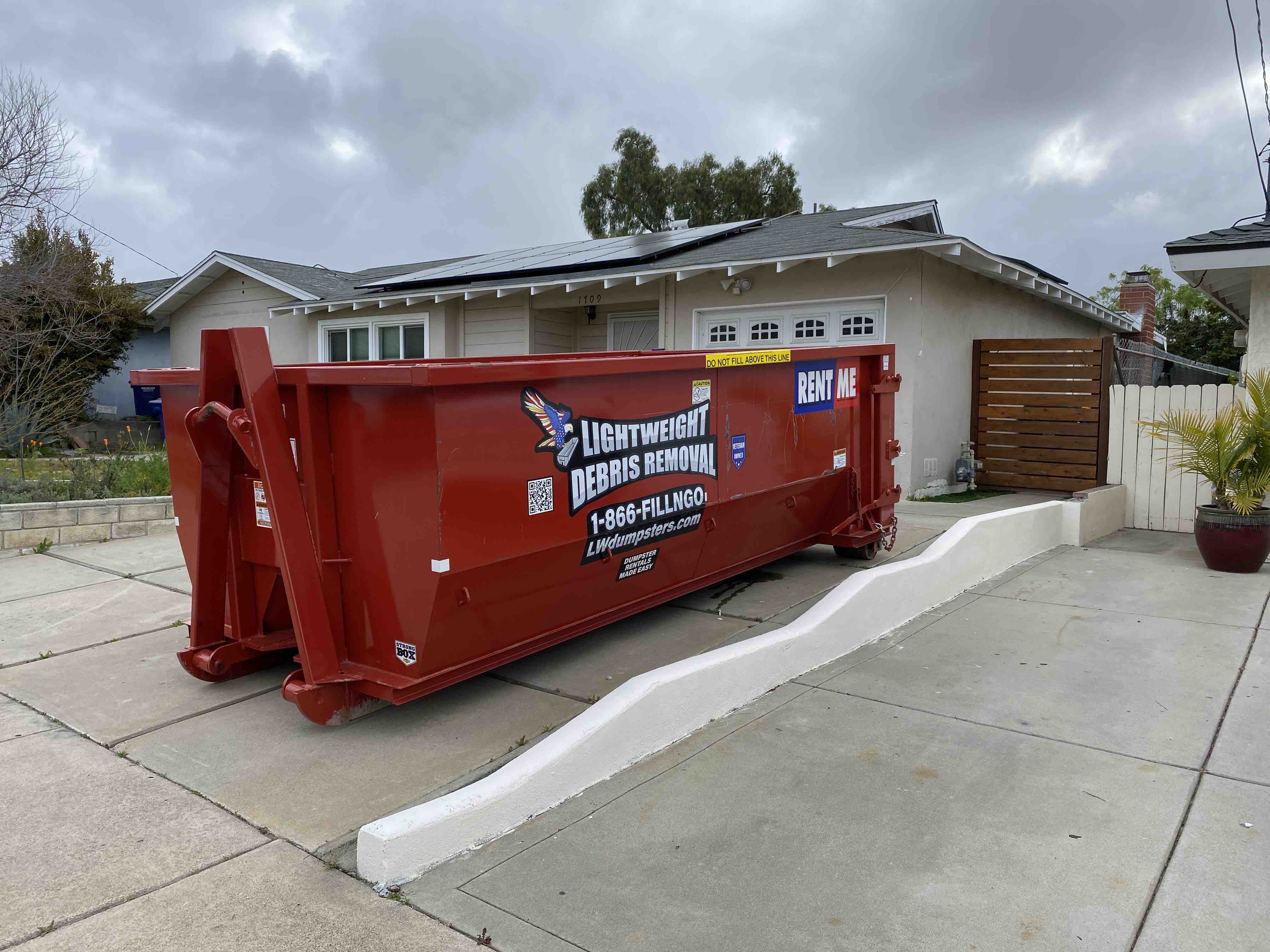
When handling a cleanup, remodeling, or construction task, you might think dumpster loading is an easy step. But the way items are positioned affects how efficiently you use space, how safely you work, and how quickly you finish. A lot of individuals underestimate how crucial proper loading techniques are, which can cause space loss, safety hazards, and unnecessary project delays.
At Lightweight Debris Removal, we emphasize that proper dumpster loading is just as vital as choosing the right container size. By staying organized, you can make the most of your dumpster and keep operations safe and smooth. We strive to help every customer make the best use of their dumpster service by teaching proper loading techniques that reduce mess, prevent breakage, and simplify disposal.
Organizing Before You Begin Loading
Before filling the dumpster, taking time to organize is essential. Identify what materials you’ll dispose of and check if any can be recycled, reused, or need special handling. This preparation helps streamline the process and saves time from having to rearrange materials later. Separating risky materials improves safety and prevents potential accidents.
Strategizing the loading sequence is equally vital. Place heavier or bulkier items first to form a solid base. Afterward, lighter materials can be layered on top to fill in spaces. Smart preparation reduces the risk of load shifting or tipping during pickup. Strategic organization leads to safer, faster, and more dumpster container rental Vista CA effective loading results.
Maximizing Dumpster Space
Getting the most out of your dumpster starts with space efficiency. Large or bulky debris should be dismantled to conserve room. Crushing or flattening materials helps create more usable space. It helps you fit additional material without overcrowding or instability.
Another good method is layering your load properly. Use sturdy flat pieces as a bottom layer. Then alternate with lighter items to fill gaps efficiently. Avoid stacking debris past the dumpster’s top edge to maintain safety. Proper layering not only optimizes space but also enhances organization and safety.
Maintaining Safety During Loading
Safety should be at the forefront during every loading task. Wearing gloves, strong shoes, and protective gear helps prevent cuts and injuries. Make sure your workspace is clear of debris or uneven ground before lifting. Staying alert around the dumpster keeps the process safe and organized.
Avoid tossing items into the dumpster from a distance, because this might lead to unstable loads or dented surfaces. Handle items with care and arrange them thoughtfully. Seek help when lifting oversized objects to prevent strain or accidents. A mindful focus on safety safeguards your team and ensures smooth, efficient loading overall.
Sorting and Organizing Materials
Sorting your waste both before and during loading is a simple yet powerful way to stay organized. Group similar items like metal, wood, or household waste together. This practice makes loading and unloading smoother while simplifying disposal later. It also helps identify recyclable items, cutting down waste and supporting eco-friendly practices.
A tidy system helps you avoid reshuffling materials after they’re loaded. Position lighter, flexible materials toward the top layer and heavy ones beneath. By organizing weight properly, the dumpster remains secure and tidy. Staying methodical enhances workflow efficiency and maintains professionalism.
Protecting Your Property During Dumpster Use
While dumpsters are sturdy, the surfaces they rest on can be fragile. Placing wooden planks or similar barriers underneath distributes weight and prevents surface damage. Such a simple step goes far in preserving the condition of your working area.
Where you position the dumpster affects both convenience and safety. Pick a steady surface that provides safe loading and unobstructed access. Do not place it near fragile features like fences or shrubs to prevent accidental harm. Thoughtful setup ensures a smooth experience and minimizes potential property risks.
Efficient Dumpster Use for Major Projects
Handling large projects often means managing continuous waste flow. Prepare a sorting zone to prearrange waste and make the loading phase smoother. Doing this ensures the container fills evenly and prevents the need for re-sorting.
Teamwork and clear communication are essential to efficient operations. Assign crew members to specific duties such as sorting, lifting, or compacting debris. When everyone knows their tasks, the process runs faster and stays organized. Planning and cooperation are vital for completing big projects without unnecessary setbacks.
What You Should Avoid Loading Into a Dumpster
Not all waste materials belong in a standard dumpster, and knowing what’s restricted is vital. Items such as toxic waste, chemicals, and electronic devices need regulated disposal. Improper disposal can damage the environment and lead to regulatory issues. Always confirm what’s allowed before starting to load your dumpster.
Never load the container above its designated fill line or weight limit. Overweight dumpsters can be unsafe and cause additional service fees. Staying within capacity ensures safety and compliance with waste standards. Awareness of limits helps avoid issues during collection and hauling.
Partnering with a Reliable Dumpster Rental Provider
Partnering with a trustworthy service improves your overall project results. Lightweight Debris Removal offers expert dumpster rental services designed for both homeowners and contractors. From drop-off to collection, our team ensures a seamless and worry-free rental experience.
Choosing a service dedicated to client satisfaction ensures smoother operations. Prompt support, transparency, and reliability help maintain project flow. Lightweight Debris Removal remains committed to supporting customers in achieving clean, safe, and efficient waste solutions.
Creating an Organized and Productive Worksite
Efficient dumpster loading directly impacts overall project productivity. A clean, well-kept work area enables smooth task flow and better teamwork. With smart loading strategies, cleanup becomes an effortless part of the workflow.
Lightweight Debris Removal encourages clients to see dumpster use as more than just disposal. It’s a chance to boost safety, save time, and protect your surroundings. By planning ahead and working smartly, you can make waste removal a seamless part of every project.